Showing posts with label gold. Show all posts

Monday, November 6, 2023

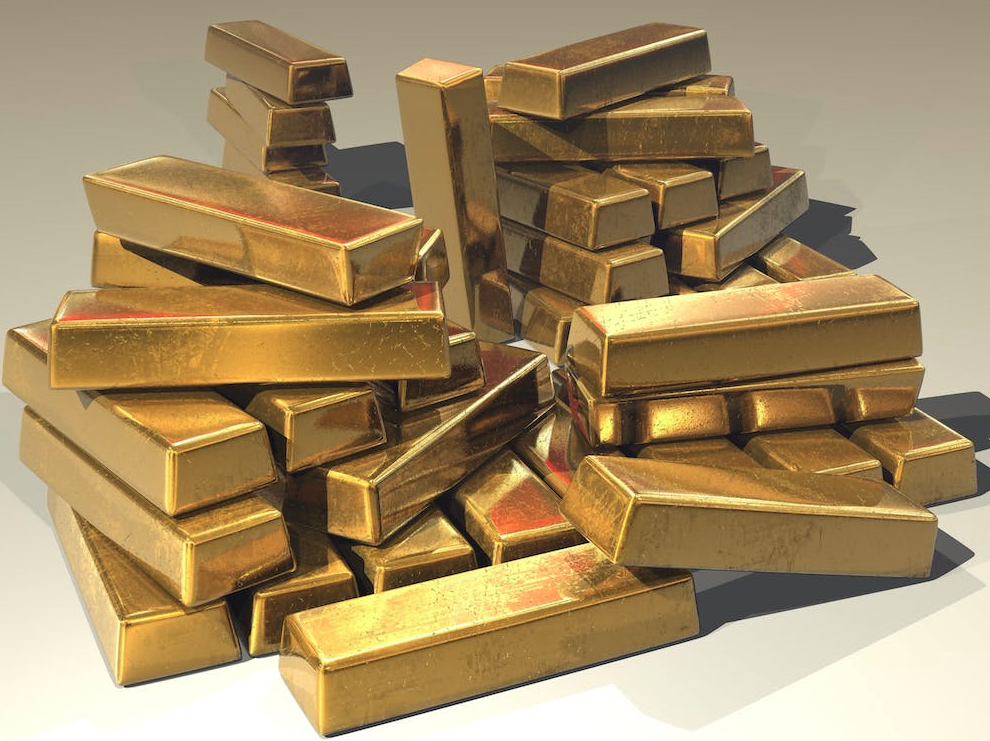
Uncovering the Golden Joys: The Timeless Allure of Gold Prospecting and Panning as a Hobby

In the midst of our fast-paced, high-tech existence, there's a hobby that takes us back to simpler times, connecting us with the earth and our pioneering spirits: gold prospecting and panning. This leisurely pursuit isn't just about the thrill of finding precious metal; it's about the journey, the connection with nature, and the sheer joy of discovering what lies beneath the surface of a seemingly ordinary stream or riverbed.

The Eternal Shine of Gold

Gold, since time immemorial, has been a symbol of wealth, beauty, and permanence. Civilizations rose and fell, and through it all, the allure of gold never faded. It sparked rushes that shaped nations, such as the famous California Gold Rush of 1849. Today, while the massive rushes are history, the allure of finding gold remains a captivating pursuit for enthusiasts around the world.


The Zen of Gold Panning

For many, gold panning is akin to a meditative experience. It requires patience, attention, and a gentle touch. The process of swirling water in a pan to reveal what's hidden beneath is therapeutic. It's not just about what you find; it's about the rhythm of the water, the dance of light on the ripples, and the anticipation of discovery.


The sounds of nature serve as a backdrop to this tranquil activity. The whisper of the wind, the babble of the brook, and the occasional bird call become a symphony to the prospector's ears. In these moments, time seems to stand still, and the modern world fades away, leaving the prospector in a state of peace and focus.


The Community and Camaraderie

Gold prospecting and panning isn't a solitary affair. It's a hobby that has a vibrant community of passionate individuals. Clubs and groups organize outings, teach newcomers the ropes, and share tales of finds and the one that got away. There's a sense of camaraderie in sharing techniques, showing off equipment, and helping each other to sift through the silt in search of that elusive gleam.


These communities often span generations, with knowledge and stories passed down from old timers to novices, ensuring that the culture and tradition of prospecting continue to thrive.


The Excitement of the Find

There's an undeniable rush when you spot that first glint of gold in your pan. It doesn't matter if it's a tiny flake or a substantial nugget; the excitement is the same. It's the reward for your labor and patience, and it's tangible. Unlike many modern hobbies, you can hold the fruits of your efforts in the palm of your hand.


The thrill of the find is not merely in its value but in the connection it gives you to every prospector who came before. You've tapped into the earth's secret bounty, just as they did, with your own hands and determination.


The Beauty of the Great Outdoors

Gold prospecting gets you outside, into the stunning wilderness. From the sierras to the creek beds, prospectors get to experience landscapes that others seldom see. The hobby encourages exploration and an appreciation for the environment. It's an opportunity to breathe fresh air, hike through forests, and witness wildlife. This connection to nature is a priceless aspect of gold prospecting and panning.


Learning the Craft

Prospecting also engages the mind. It requires learning about geology, understanding the environment, and recognizing where gold might be found. It’s a constant learning process that can be as rewarding as finding gold itself. Enthusiasts study old maps, learn the history of the land, and master the craft of panning and sluicing.


An Inclusive Hobby

One of the beautiful things about gold prospecting is that it’s accessible to almost anyone. Young or old, rich or poor, the rivers and streams don't discriminate. With just a few basic tools — a pan, a sieve, and a shovel — anyone can start. This simplicity is what makes the hobby inclusive and enduring.


A Sustainable Pursuit

Modern prospectors understand the importance of sustainability. The community emphasizes respecting the environment, leaving no trace, and often engaging in cleanup efforts. As such, this hobby can actually leave the natural areas it touches better than they were found, combining the thrill of the hunt with environmental stewardship.


In Conclusion

Gold prospecting and panning as a hobby are about more than just seeking treasure. It's a blend of adventure, relaxation, and education that offers something for the soul. In a world where so much is fleeting and digital, prospecting connects us with the tangible, the historical, and the elemental. It's a pastime that reminds us of the joys of simplicity, the beauty of nature, and the enduring gleam of gold. So grab a pan and head to the nearest stream; who knows what joys you'll uncover as you sift through the sands of time. 

Saturday, October 28, 2023

Latest Trends in Gold Prospecting: Merging Tradition with Technology

Gold prospecting, the act of searching for new gold deposits, has been an enduring human endeavor, tracing back thousands of years. While the allure of discovering untapped riches has remained constant, the methods and tools of the trade have evolved dramatically. Let's take a look at some of the latest trends in gold prospecting that showcase the synergy between tradition and cutting-edge technology.

1. Advanced Geolocation Technologies

One of the most significant advancements in recent times has been the integration of geolocation technologies in prospecting. Modern GPS devices, combined with geospatial software, help prospectors pinpoint potential gold-rich areas more accurately. These tools can plot past finds, helping to predict future success spots.

2. Drone Surveillance

Drones have introduced a bird's-eye view to gold prospecting. By scanning and mapping large terrains quickly, they can identify potential areas where gold might be located. Some drones are even equipped with advanced sensors that can detect mineral deposits beneath the earth's surface.

3. Portable XRF Analyzers

X-ray fluorescence (XRF) analyzers have been a game-changer in gold prospecting. These handheld devices can provide real-time analysis of the metal content in rocks, allowing prospectors to detect gold presence instantly. This instant feedback can be invaluable, saving time and effort.

4. Green Prospecting

Environmental concerns have led to the rise of 'green' prospecting. This involves using techniques and tools that have a minimal impact on the environment. Biodegradable chemicals are replacing traditional toxic substances in the gold extraction process, and more emphasis is being placed on restoring landscapes after prospecting.

5. Enhanced Metal Detectors

While metal detectors have been an integral part of gold prospecting for decades, recent advancements have enhanced their capabilities. Modern detectors are more sensitive, can discriminate between metals, and have deeper penetration capabilities. Some also come with integrated GPS and mapping functionalities.

6. Virtual Communities & Apps

The digital age has given rise to various online communities where prospectors share their experiences, tips, and discoveries. There are now dedicated apps for gold prospectors, offering features like digital maps, forums, and real-time price tracking of gold.

7. Machine Learning and Predictive Analysis

Some companies are harnessing the power of machine learning to predict potential gold hotspots. By analyzing vast amounts of geological data, these systems can forecast where gold deposits are likely to be located, refining and improving the accuracy of prospecting ventures.

Conclusion

Gold prospecting, while rooted in ancient practices, is by no means stuck in the past. The fusion of traditional techniques with state-of-the-art technologies is propelling the field into a new era of efficiency and environmental consciousness. As technology continues to advance, there's no doubt that the future of gold prospecting will shimmer even brighter.


Gold Prospecting on the East Coast: A Glimpse into 2023-2024


Gold prospecting, the age-old activity of searching for gold in mineral-rich areas, has seen an uptick in popularity over recent years. As the world hurtles into 2023-2024, the East Coast of the United States has become an unexpected hotspot for prospectors, both seasoned and amateur. From the rolling Appalachian Mountains to the shores of the Atlantic, let’s embark on a journey to discover the allure of gold prospecting on the East Coast in these dynamic years.


1. Renewed Interest in Historical Gold Sites


The East Coast, contrary to the popular belief that links gold rushes solely with the West, has a rich history of gold discovery. North Carolina, for instance, was the site of the first U.S. gold rush after a 17-pound gold nugget was found in Cabarrus County in 1799. Fast forward to 2023, and areas like Reed Gold Mine and Cotton Patch Gold Mine have experienced a resurgence in visitors. Sites that once echoed with the sounds of gold fever in the 1800s are once again humming with activity.


2. Modern Techniques Meeting Tradition


Gold prospecting in 2023-2024 is an amalgamation of tradition and innovation. While many still rely on pans and sluices to separate gold from the soil, sand, and gravel, there's a growing trend towards using metal detectors specially designed for gold. These detectors can pick up even tiny gold flakes, making prospecting more efficient.


In states like Virginia, for instance, numerous clubs offer workshops on using these devices, blending the age-old passion for gold with 21st-century technology.


3. Community Building and Gold Prospecting Clubs


One significant change from the isolated gold seekers of yesteryears is the sense of community now intertwined with prospecting. From Maine to Florida, a plethora of clubs and organizations, like the Gold Prospectors Association of America (GPAA), have set up local chapters. These clubs organize group digs, offer leases to exclusive prospecting lands, and provide a platform for exchanging tips, techniques, and tales from the field.


4. Environmental Consciousness


The prospectors of 2023-2024 are markedly different in their environmental approach. Recognizing the potential ecological impact of digging and sluicing, there’s been a concerted effort to practice sustainable prospecting. Many adhere to the "Pack it in, pack it out" philosophy, ensuring that they leave no trace. Moreover, educational initiatives teach prospectors about the local ecosystems, ensuring minimal disruption to the environment.


5. Gold Prices and the East Coast Boom


Fluctuating gold prices have always influenced prospecting, and the years 2023-2024 are no exception. With gold prices remaining attractive, many see prospecting as both a recreational activity and a potential source of income. States like Maryland, with sites like the Potomac River, have reported a noticeable increase in prospecting activities.


6. Regulatory Landscape


Prospecting on the East Coast comes with its set of rules and regulations. Before setting out, it’s crucial to be aware of the legal landscape. For instance, while public lands might be open for prospecting, specific permits might be required. Moreover, some areas are off-limits due to their ecological or historical significance.


States have been responsive to the renewed interest in gold prospecting. In 2023, Georgia introduced a user-friendly online portal providing information on prospecting sites, regulations, and permit applications, making it easier for enthusiasts to get started.


7. Challenges and Rewards


While the romance of unearthing a significant gold nugget is alluring, prospecting is also about patience and perseverance. Not every outing will yield gold, and many times, prospectors might only find tiny flakes after hours of work.


Yet, the rewards are multifaceted. Beyond the potential financial gain, many prospectors speak of the therapeutic nature of the activity, the thrill of the hunt, and the profound connection with nature. Plus, there’s an undeniable community spirit, with seasoned prospectors mentoring newcomers, forging bonds over shared experiences.


Conclusion


Gold prospecting on the East Coast in 2023-2024 is a tapestry of history, innovation, community, and a deep respect for nature. As modern-day prospectors walk the trails once trodden by gold seekers of the past, they're not just searching for the elusive yellow metal. They're also seeking a deeper connection with the land, with history, and with each other.


While the East Coast might not have the vast goldfields of the West, it offers its unique charm and promise. As we move further into 2023 and 2024, the golden heart of the East Coast beats strong, drawing in those with a sense of adventure and the eternal hope of striking it rich.

Sunday, April 2, 2023

Joys of Finding your own GOLD!

Gold prospecting is a hobby that has been enjoyed by people for centuries. It is a great way to get outdoors and enjoy the beauty of nature, while also having the chance to find some valuable treasure.

There are many different ways to prospect for gold, but the most common method is to use a gold pan. Gold pans are relatively inexpensive and easy to use, and they can be found at most outdoor stores. To use a gold pan, simply fill it with water and sand, and then swirl it around in a circular motion. The gold will be heavier than the sand and will sink to the bottom of the pan. You can then use your fingers to pick out the gold.

If you are looking for a more challenging prospecting experience, you can try using a sluice box. Sluice boxes are larger than gold pans and can be used to process larger amounts of material. They are also more effective at finding small pieces of gold.

Gold prospecting can be a very rewarding hobby. Not only is it a great way to get exercise and enjoy the outdoors, but it is also a chance to find some valuable treasure. If you are looking for a new hobby to try, I highly recommend gold prospecting.

Here are some of the joys of gold prospecting:

  • The thrill of the hunt. Gold prospecting is a lot like treasure hunting. You never know when you might find a nugget or flake of gold. The thrill of the hunt is what keeps people coming back for more.
  • The beauty of nature. Gold prospecting often takes place in remote and beautiful areas. You can spend your days exploring creeks and rivers, and enjoying the peace and quiet of nature.
  • The sense of accomplishment. When you finally find a piece of gold, it is a very satisfying feeling. It is a reminder that you have put in the hard work and dedication to find your treasure.
  • The camaraderie of other prospectors. Gold prospecting is a social activity. You will often meet other prospectors while you are out in the field. These people are often friendly and helpful, and they can share their knowledge and experience with you.

If you are looking for a new hobby that is both rewarding and enjoyable, I highly recommend gold prospecting. It is a great way to get outdoors, enjoy the beauty of nature, and have the chance to find some valuable treasure.

Thursday, February 16, 2023

Geology and Prospecting for Gold

Gold has been a valuable and highly sought-after metal for centuries, and has played an important role in shaping human history. From ancient civilizations to modern times, gold has been used for everything from currency to jewelry to technology. But where does this precious metal come from, and how do we find it? In this blog entry, we will explore the geology of gold and the process of prospecting for it, as well as some regions and locations around the world that are known for their rich gold deposits.

Geology of Gold

Gold is a chemical element with the symbol Au and atomic number 79. It is a highly ductile and malleable metal, and is often found in pure form in nature. However, most of the gold that is mined today is found in small particles within ores that contain other minerals. These ores are often located in veins or deposits within the Earth's crust.

The formation of gold deposits is a complex process that can take millions of years. In general, gold deposits are formed by hydrothermal processes, which involve hot water circulating through rocks and minerals deep within the Earth's crust. This water can dissolve and transport gold, as well as other minerals, to areas where it can be deposited and concentrated.

Gold can also be found in alluvial deposits, which are formed by the erosion and transport of gold-rich rocks and minerals by rivers and streams. These deposits can be mined by panning or sluicing for gold in the sediment of the river or stream bed.

Prospecting for Gold

Prospecting for gold is the process of searching for gold deposits in the Earth's crust. It can be a challenging and time-consuming process, but can also be highly rewarding for those who are successful. There are several methods that can be used to prospect for gold, including:

  1. Geologic mapping: This involves studying the geology of an area to identify rocks and structures that are known to be associated with gold deposits. This can help to narrow down potential areas to prospect.

  2. Geochemical analysis: This involves collecting and analyzing rock and soil samples to determine the presence and concentration of gold and other minerals.

  3. Geophysical methods: This involves using instruments to measure variations in the Earth's magnetic field, electrical conductivity, or other physical properties to identify potential gold deposits.

  4. Prospecting with metal detectors: This involves using a metal detector to search for gold nuggets or particles in the ground.
Once a potential gold deposit has been identified, the next step is to conduct more detailed exploration to determine the size and grade of the deposit. This can involve drilling and sampling to collect more data, and can be a costly and time-consuming process.

Regions and Locations Rich in Gold

There are several regions and locations around the world that are known for their rich gold deposits. Some of the major gold producing regions are:

  1. Witwatersrand Basin, South Africa: The Witwatersrand Basin in South Africa is the largest gold deposit in the world and has been mined for over 100 years. It is estimated that the basin has produced over 2 billion ounces of gold.

  2. Carlin Trend, Nevada, USA: The Carlin Trend in Nevada is one of the most productive gold mining areas in the world. It is estimated that the area has produced over 70 million ounces of gold since the 1960s.

  3. Muruntau, Uzbekistan: The Muruntau mine in Uzbekistan is one of the largest open-pit gold mines in the world. It is estimated that the mine has produced over 50 million ounces of gold.

  4. Super Pit, Western Australia: The Super Pit in Western Australia is one of the largest open-pit gold mines in the world. It is estimated that the mine has produced over 21 million ounces of gold.

Resources and References

Here are some additional resources and references for those who are interested in learning more about the geology of gold and prospecting:

  • "Gold: Its Occurrence and Extraction" by T.K. Rose, published by the Royal Society of Chemistry. This book provides a comprehensive overview of the geology of gold and the different methods used to extract it.

  • "Introduction to Mineral Exploration" by Charles Moon, Michael Whateley, and Anthony Evans. This book covers the basic principles and techniques of mineral exploration, including prospecting for gold.

  • The United States Geological Survey (USGS) website has a wealth of information on the geology of gold and gold deposits around the world. You can find reports, maps, and data on their website at: https://www.usgs.gov/search?keywords=Gold+Resources

  • The Geological Society of America (GSA) also has a variety of resources on gold geology and prospecting on their website: https://rock.geosociety.org/Store/SearchResults.aspx?searchterm=Gold&searchoption=ALL

  • The Gold Prospectors Association of America (GPAA) is a membership-based organization that offers resources, training, and networking opportunities for gold prospectors. Their website can be found at: https://www.goldprospectors.org/
By utilizing these resources and references, those interested in the geology of gold and prospecting can gain a deeper understanding of the science and techniques involved, as well as the locations around the world that offer rich opportunities for exploration and discovery.


Sunday, January 22, 2023

Placer Gold Deposits

Placer gold deposits are concentrations of gold that have been washed and deposited by flowing water. They are typically found in streambeds, riverbanks, and other areas where water has moved through and eroded gold-bearing rock. Prospecting for placer gold involves searching for these deposits and evaluating their potential for mining.

To prospect for placer gold, one can start by researching the geology of the area to identify likely locations for gold deposits. This can include studying maps and aerial photographs, as well as taking soil samples to test for the presence of gold. Once a likely location has been identified, the next step is to search for physical indicators of gold, such as flakes or nuggets in streambeds or riverbanks.

Once a placer deposit has been identified, mining can begin. The most common method for mining placer gold is through panning, which involves washing soil and gravel in a pan to separate the gold from other materials. Other methods include sluicing, where water is used to wash soil and gravel through a sluice box, and dredging, where a dredge is used to suck up soil and gravel from the bottom of a river or stream. It is important to obtain the proper permits before beginning mining operations.

Saturday, January 21, 2023

Goldvein, Virginia Gold Mining History

Goldvein, Virginia is a small unincorporated community located in Fauquier County, Virginia. It is situated on the banks of the Rapidan River and is known for its rich history of gold mining in the local region.

The discovery of gold in the area dates back to the early 1700s when European settlers first arrived in the region. The first recorded gold discovery was made in 1742 by a group of French miners who stumbled upon a rich vein of gold while exploring the Rapidan River. The news of the discovery quickly spread, and soon prospectors from all over the region flocked to the area to try their luck at finding gold.

During the mid-1700s, gold mining in the region was primarily done by individual prospectors using simple tools such as pans and sluice boxes. However, as the demand for gold increased, larger mining companies began to move into the area, bringing with them more advanced equipment and techniques. This led to a significant increase in gold production, and the region quickly became one of the most important gold-producing areas in the country.

The peak of gold mining in the region occurred during the late 1800s, when the area was home to several large mines that employed hundreds of workers. These mines produced significant amounts of gold, and the town of Goldvein grew rapidly, becoming a hub for mining activity in the region.

However, by the early 1900s, gold production in the region began to decline as the easily accessible gold veins were depleted. Many of the mines in the area closed, and the population of Goldvein began to shrink. Today, the town is a shadow of its former self, and there is little evidence of its once-thriving mining industry.

Despite the decline in gold mining, the area still holds a rich history and is home to several historic sites and landmarks that commemorate the region's gold-mining heritage. These include the Goldvein Heritage Trail, which features several interpretive signs that tell the story of the area's gold-mining past, and the Goldvein Mining Museum, which houses a collection of artifacts and exhibits that showcase the history of gold mining in the region.

In conclusion, Goldvein, Virginia is a small community that played a significant role in the history of gold mining in the United States. The area's rich gold deposits attracted prospectors and mining companies from all over the country, leading to the development of a thriving mining industry that lasted for several decades. Today, the town serves as a reminder of the region's rich gold-mining heritage, and visitors can explore the area's historic sites and landmarks to learn more about the region's past.

Where to find gold on the East Coast of the United States

Some states on the East coast that are known for gold prospecting include:

Georgia: The state has a long history of gold mining, with gold being first discovered in 1828 in the Dahlonega area.

North Carolina: The state is home to the famous Reed Gold Mine, where the first gold nugget was discovered in the United States. The state has several other gold mines and panning areas, such as the Spruce Pine Mining District and the Franklin Mining District.

South Carolina: The state has a rich gold mining history, with gold first being discovered in 1827 in the Haile Gold Mine. Other notable gold mines include the Brewer Mine and the Ridgeway Mine.

Virginia: The state has a small but active gold prospecting community, with gold being found in several rivers and streams, such as the James River, the Rappahannock River, and the Maury River.

West Virginia: The state is known for its gold panning opportunities, with gold found in several rivers and streams, such as the Potomac River and the Monongahela River.

Maryland: The state has a small but active gold prospecting community, with gold found in several rivers and streams, such as the Potomac River and the Monocacy River.

Pennsylvania: The state has a long history of gold mining, with gold being first discovered in 1742 in the Yellow Creek area.

Note: It's important to check the laws and regulations of your area before prospecting for gold. Some areas may require a permit or have specific restrictions on where you can prospect.

Sunday, February 19, 2017

So you want to find gold on the east coast?

Hi everybody. Since one of my favorite hobbies is gold prospecting, I figured I'd start a blog dedicated to it. I also have my personal blog over at www.braggfamily.com, but will dedicate this one to my adventures and information about searching for the ever illusive GOLD we all love. One of the biggest questions I originally had, was; is there really gold still available on the east coast. And the answer is .. DEFINITELY.  Nearly every state has gold, with the exception of maybe Florida. The focus of this blog will be the East Coast of the United States, because that's where I live and it's difficult for me to travel out west. I know others have similar thoughts and the same travel problem. I'll try to cover locations on the east coast, clubs to join, an occasional gold recovery product, paydirt, or anything that comes to mind.

Shop for panning kits at:

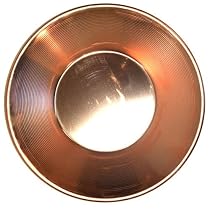
copper gold pan

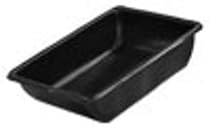
If your new to gold prospecting and don't know where to start, take a look at an amazon store I setup (Link on the right), or you can go here. You can find beginner panning kits, advanced kits, sluices, or miscellaneous tools you may need. You can even find some gold paydirt to try panning at home. All you need to do is get a wash tub, or one of those concrete mud tubs
https://www.amazon.com/s/ref=nb_sb_noss_2?url=search-alias%3Daps&field-keywords=mixing+tub+large
they sell at your local home improvement stores, a gold pan, some paydirt, and start panning.

Find the GOLD!

The Allure of Gold Prospecting: A Timeless Hobby for the Adventurous

The Allure of Gold Prospecting: A Timeless Hobby for the Adventurous For centuries, the thrill of the hunt has been at the heart of human en...